
Now more than ever, there are many tile options, and I mean A LOT. And with more options comes more confusion. But there are some straightforward rules that you can follow to select the perfect tile for your bathroom.
You’ll want to look on the back of tile boards or a label on the shelf. These tell you the sizes, shapes, and colors of the tile and where it should be installed: shower, floor, pool, etc. There’s porcelain, ceramic, glass, marble, and many more. Do not put a tile that is not specified for a wet area or is porous, like travertine, in the bathroom.
Small bathrooms
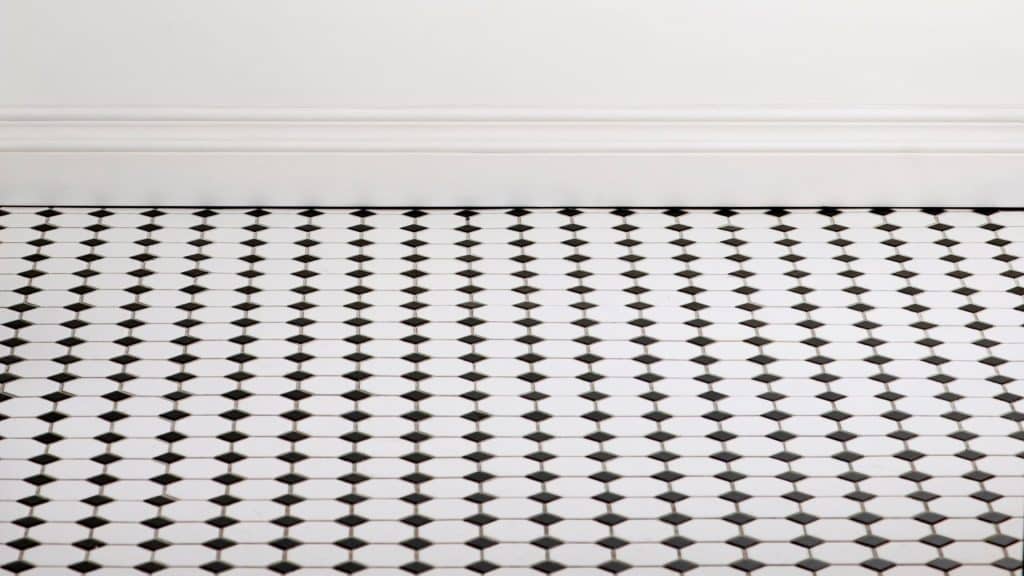
In general, a small bathroom is an area where you can really take risks. Like a powder room for guests and yourself to use daily. If you end up being sick of it in a few years, it is the smallest bathroom in the house and the cheapest to renovate.
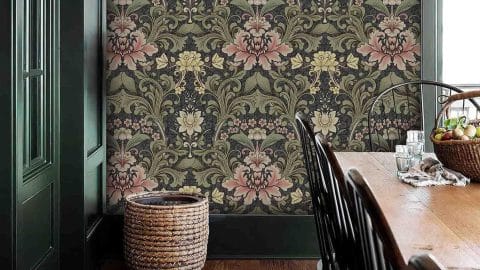
You can do a beautiful wallpaper and vanity with a porcelain or marble mosaic. There are many options, like basketweave, penny rounds, or hexagons. These rooms are small, so a small tile will make the room feel bigger since the mosaics have a high texture and pattern.
Remember that marble is very soft and will wear over time, making it perfect to bring an old soul to your home if that’s what you want.
Large bathrooms
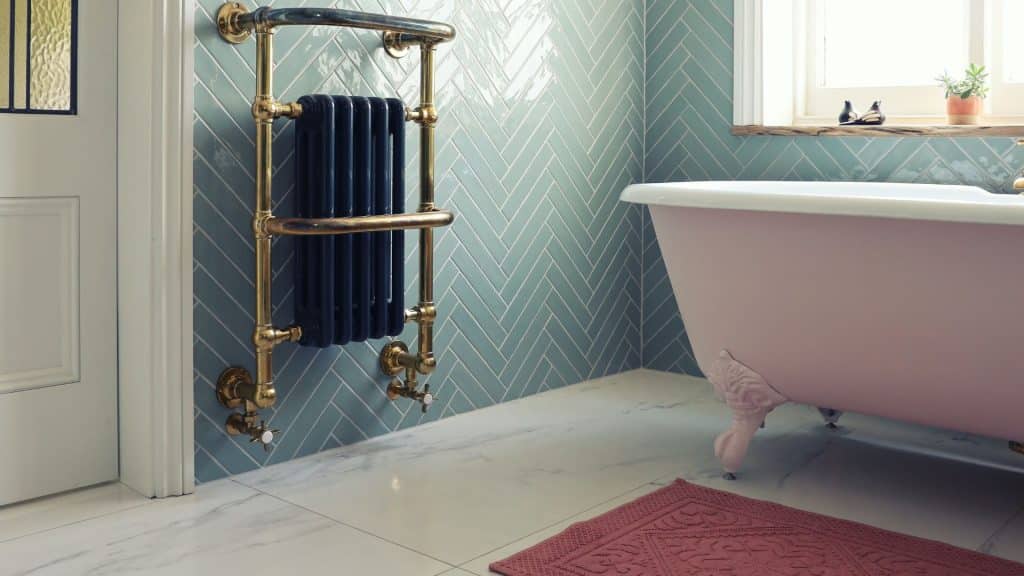
A medium to large format tile would work best in a large bathroom, like a primary bath. With such an expansive space, a 12×18 or 12×24 would make a subtle backdrop to the bathroom. You could do an 8″ or 10″ hexagon tile if you want a mosaic.
Use porcelain or ceramic in a honed finish. Honed tile is far less slippery than a glossy finish. And I know everyone has seen all these excessive bathrooms with marble all over, but don’t; marble is very slippery when wet.
A question I get ask a lot is, should I install tile on the walls and which walls? There are two scenarios where I would tile the wall, around a free standing tub or sink because it will protect to walls from any water or if you want a charming Art Deco or vintage bathroom.
Shower floors
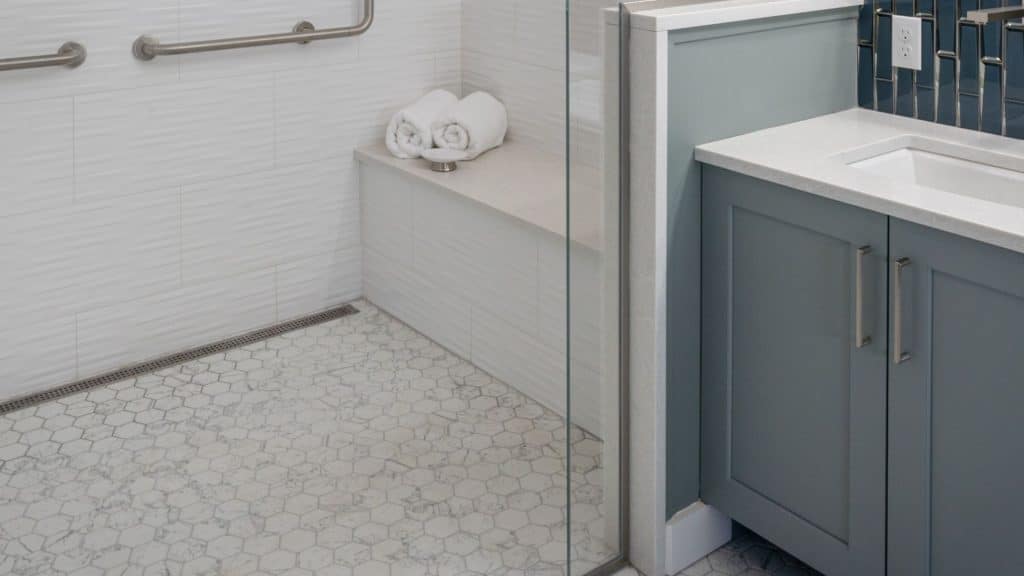
The shower floor is a personal choice; you could use the same tile in the rest of the bath or go for that same tile in a smaller size or mosaic. I enjoy a mosaic in the shower; it makes the space feel slightly different and feels good on your feet.
Shower walls

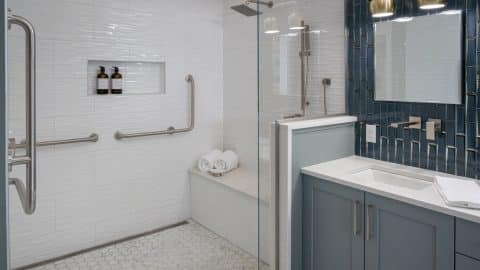
This is where you can do a glossy tile. And you can really do any type or style on the shower walls. Keep it in the same color family as the rest of the tile in the bathroom. Now, that doesn’t mean you need to choose white; if you have a blue-gray tile with many hues, pick a lighter tint or darker shade to create a sharp look, or choose a contrasting tile for an interesting look.
Easy to clean
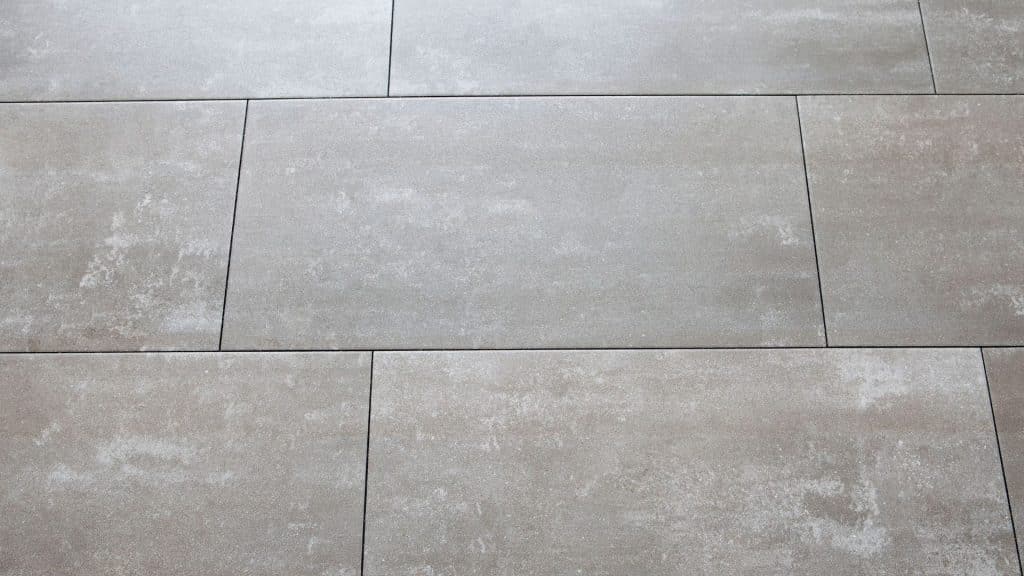
If you’re like me and want things to look beautiful and be easy to clean, go for porcelain or ceramic tile. Go for a honed finish over a gloss, you will see less residue between cleanings. And a larger format tile is best because the more grout the more work to clean. Choose a medium-tone grout, as it will show less dirt.
For hard water

If you have hard water, choose a light high textured porcelain. White, gray, or a light color. The hard water shows up on dark tiles, and you’ll clean it daily. Avoid glass as well because you’ll see all the hard water stains. Go for a medium-toned ground because the rust in hard water will turn light grout brown. Whatever material you use, try a good hard water cleaner, it makes cleaning easier.
Grout
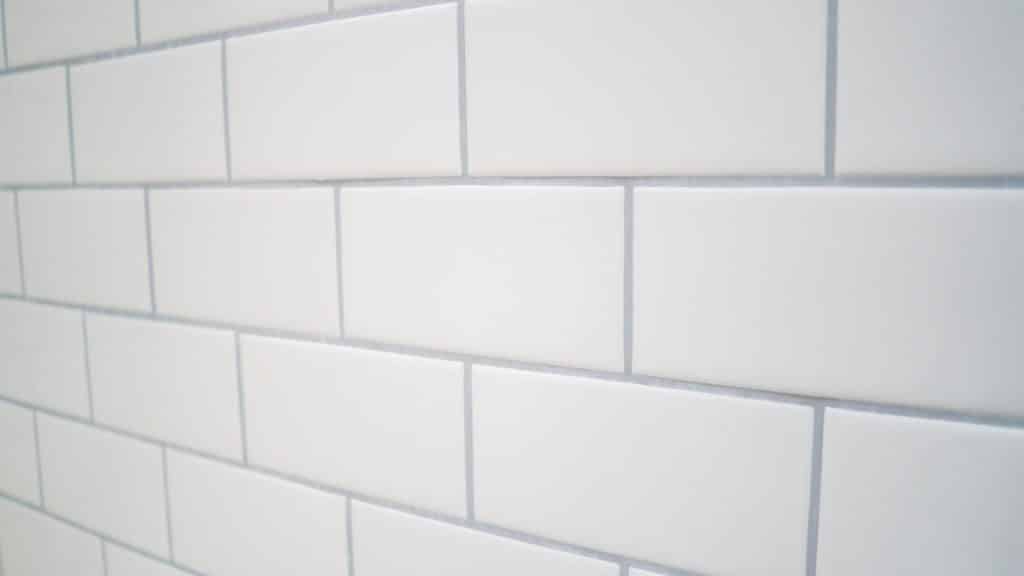
I’ve chosen a medium-tone grout for almost every bathroom I have done. It shows the pattern and hides stains. Light grout is suitable if you want a very subtle pattern with a light tile, and you could do that in a bathroom that won’t get very dirty. A dark grout can show high contrast, like a white tile with dark grout.
Still, it’s almost too much, and you’re better off thinking about other ways to create high contrast in the bathroom. Like a high pattern tile or paint.
We may receive a commission on any links we provide



Leave a Reply